AIS Joint Research Program
A collaborative applied research program affiliated with academic institutions in AIS countries with various topics related to the four areas of collaboration. Providing research grants for researchers who conduct applied research to find solutions for some of the challenges faced by archipelagic and island states.
2023 AIS Joint Research Program registration has now opened!
Programme Description
The AIS Joint Research is a program that focuses on research and collaboration between at least two AIS countries. The proposed Joint Research Project must be conducted by at least two stakeholders from different AIS participating countries. Each research team must be led by one or more senior researchers or experienced faculty members working on related research areas.
The prize for this Joint Research Programme aims to promote applied research that creates practical solutions to development and environment-related challenges affecting AIS countries. Accordingly, the Joint Research Programme will target projects that fulfil the following criteria:
-
Tangible research plan with a proposed innovative approach.
-
Explanation of clear competitive advantages with added value.
-
Complete budget plan specifying how project funding will be used.
-
Assembled interdisciplinary research team, with prioritization given to those with linkages to the private sector (end-users).
A total of USD 60,000 grants will be provided to two winners (teams), to be used for research purposes in 10 months research period. The winner will also get a chance to present their research findings in front of the head of state in the AIS Forum High-level Meeting 2023.
Objectives of Assignment
The objective of the assignment is to assist AIS Forum Secretariat in finding smart and innovative solutions that will strengthen the cooperation between the archipelagic and island states in the marine sector.
Research Areas
-
Climate Change Mitigation and Adaptation: a research project that can enhance carbon sequestration, coastal protection, biodiversity, and the reproductive capacity of marine organisms.
-
Blue Economy: a research project to create methods for improved measuring of fish stocks or development of fishing gear with reduced environmental impacts.
-
Marine Plastic Debris: a research project to find sustainable alternatives to conventional plastic production techniques.
-
Good Maritime Governance: a research project that focuses on the formation of marine protected areas through effective policy measures that are socially and ecologically responsible
Expected Outputs
-
A Joint Research project proposal that offers the innovative and/or technology-based solution in climate change mitigation and adaptation/blue economy/marine plastic debris/good maritime governance
-
Report on at least 50% of the Joint Research progress according to the approved timeline
-
Final report and output of the joint research project
Funded Activities
-
Research management
-
Fieldwork and data collection
-
Domestic and International travel
-
Intellectual property protection
-
Communication and the dissemination of the research project
Send your proposal to registration@aisforum.org before 21 February 2023 with Annex 1 and Annex 2 as attachments and subject [AIS Joint Research 2023] – proposal title
Previous Joint-Research Programmes

The Guyana Coast
Catchment and Marine Observatory: Data Integration
-
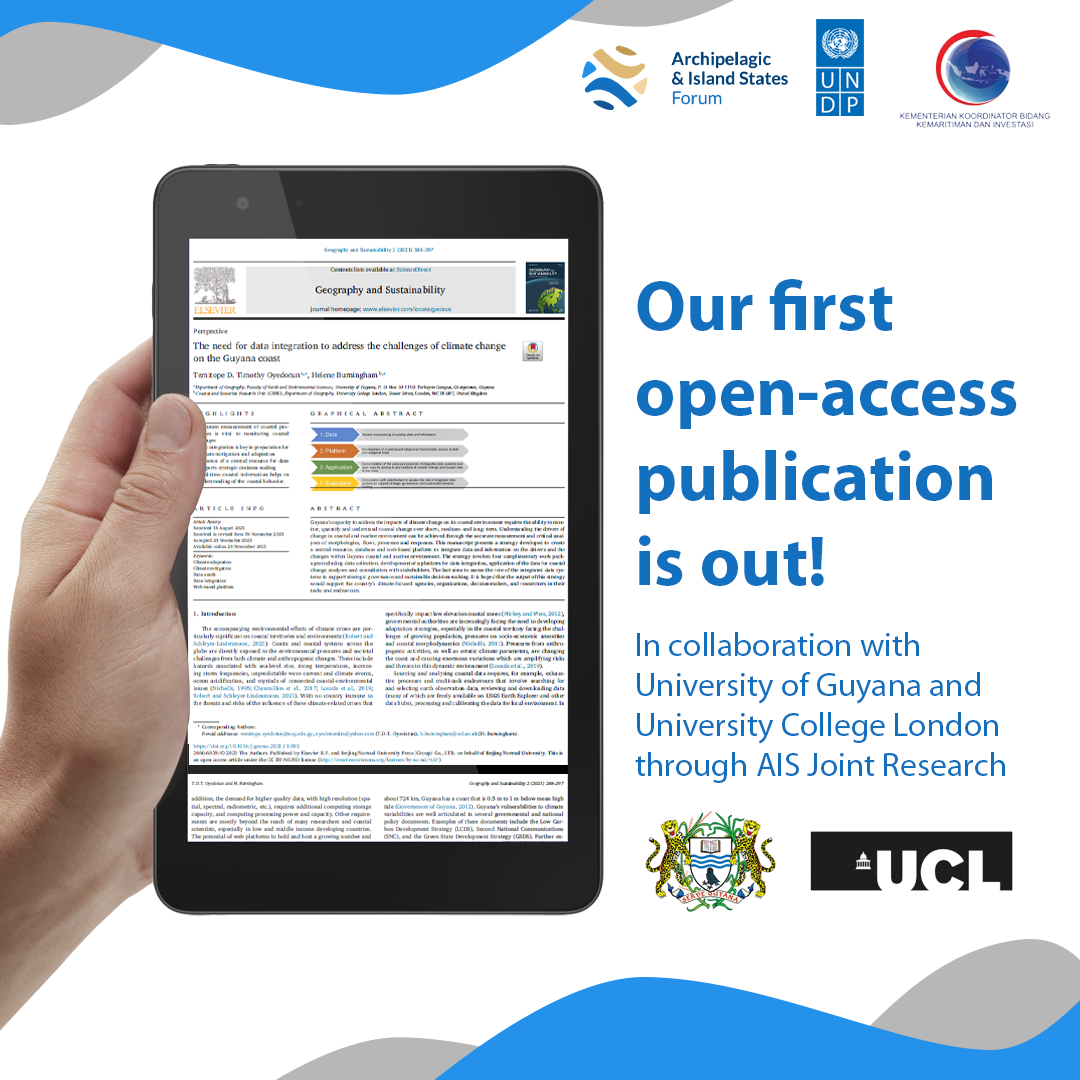
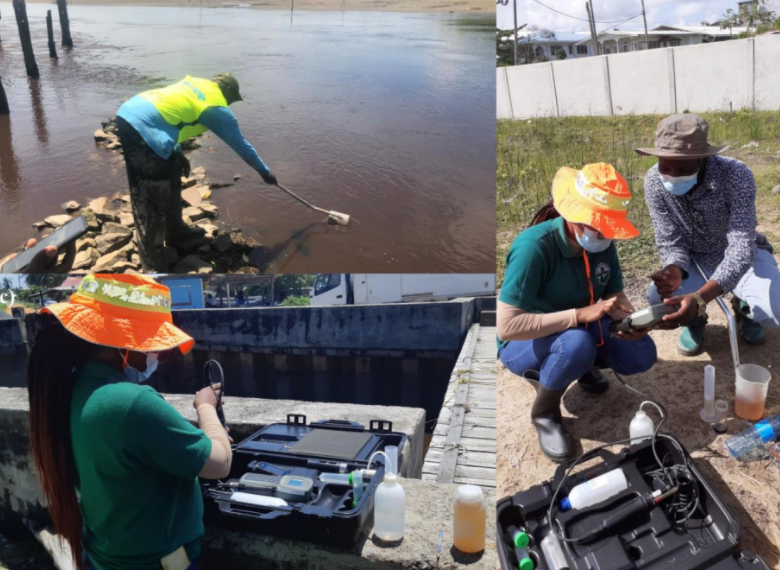
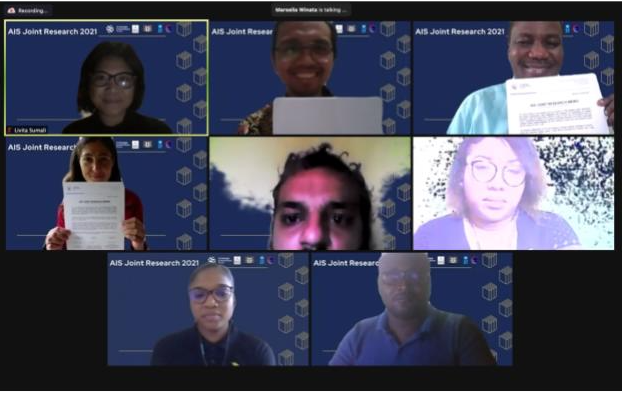
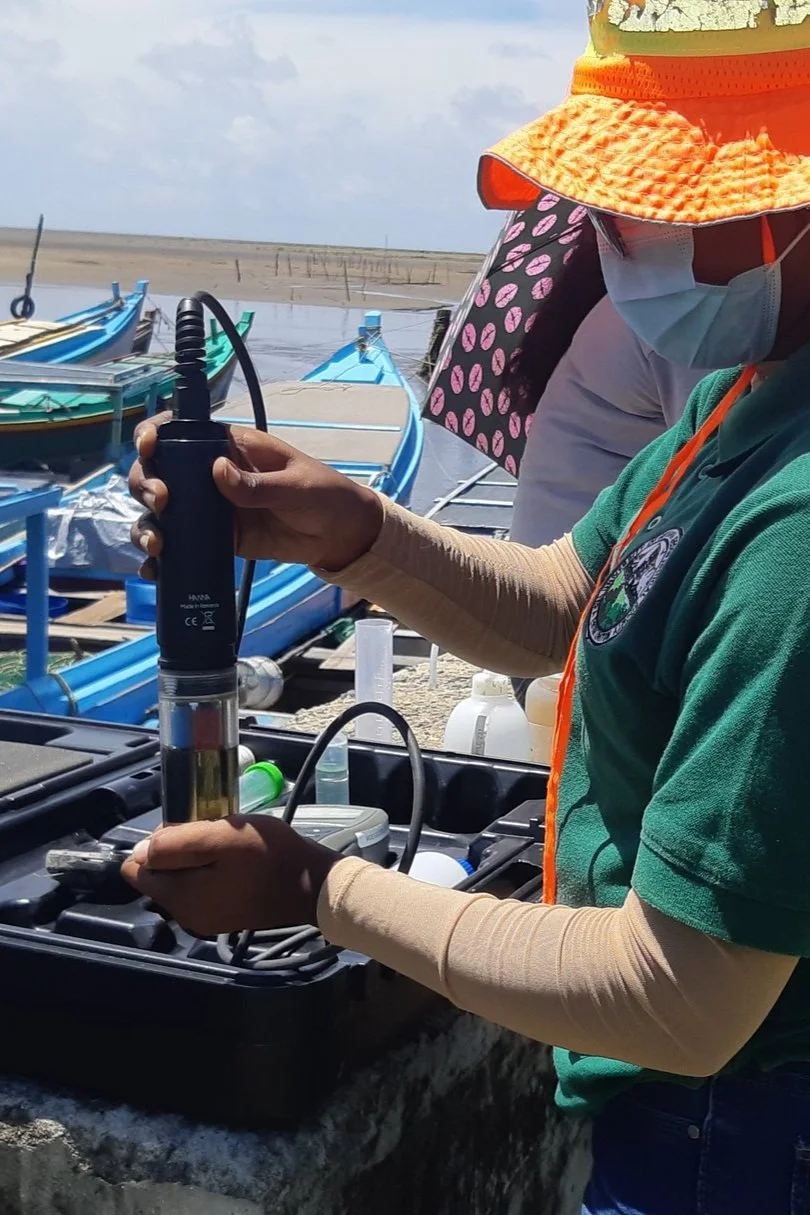
In 2021, AIS Forum partnered with University of Guyana and the University College London. The research project, entitled ‘The Guyana Coast, Catchment and Marine Observatory: Data Integration and Analysis for Monitoring of Coastal Dynamics’, aims to enhance Guyana’s capacity to address the impact of climate change on its coastal environment through the development of a high quality coastal database. This will enable coastal stakeholders to better monitor coastal change over various timeframes.
Later, the comprehensive coastal database developed can be used in other archipelagic and island states.
M-Fish Trace
Mobile technology as an incentive for sustainable fishing practices

-
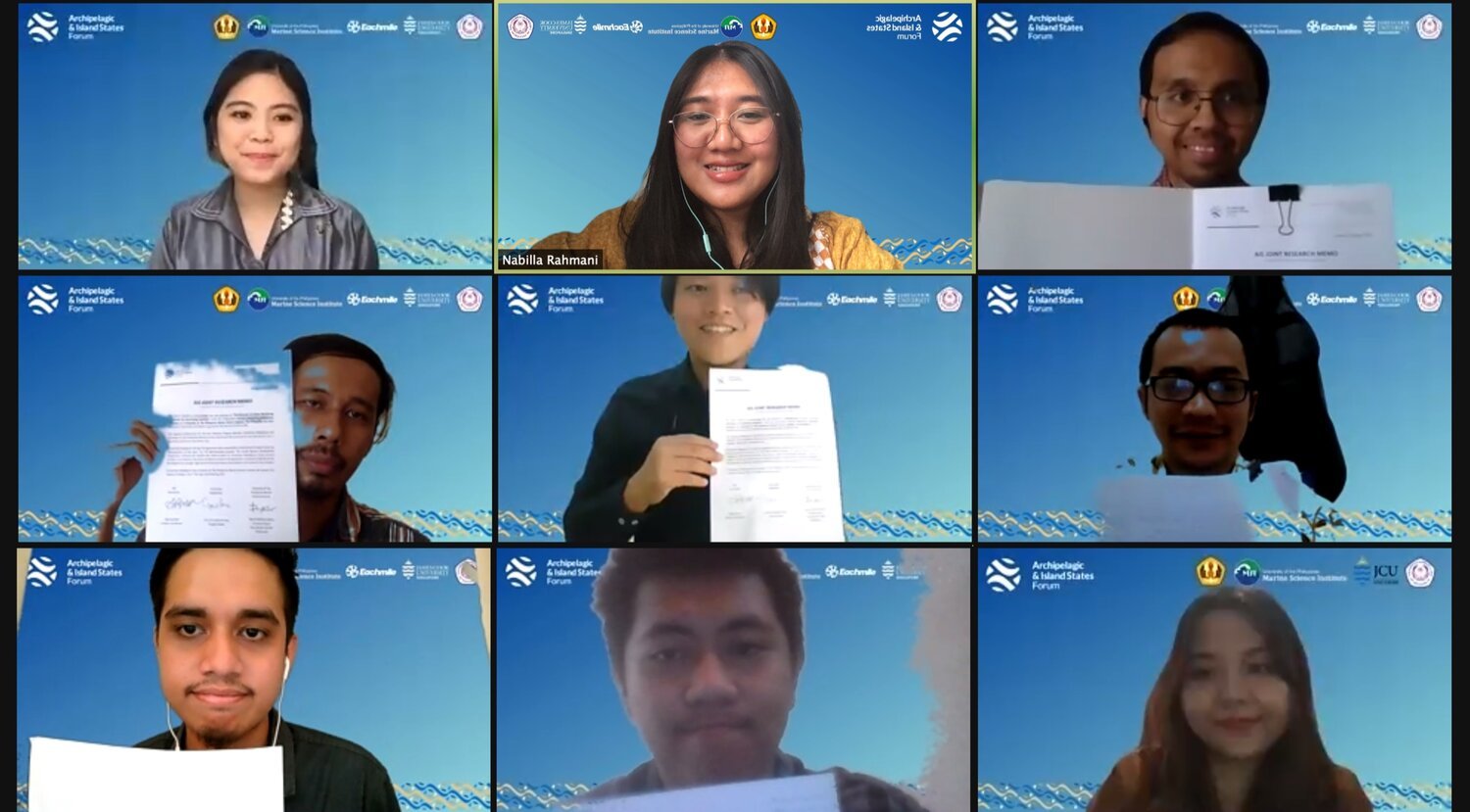
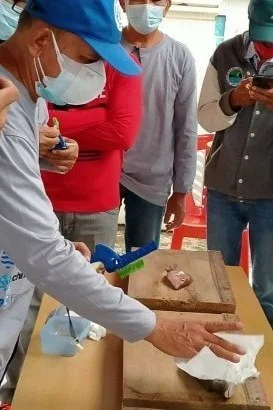
James Cook University Singapore and Universitas Sam Ratulangi have developed technology that provides benefits to small fishers as well as managing fish stocks for sustainability.
Both universities have been working with Fishcoin to harness mobile technology to develop sustainable fishing practices in Indonesia.
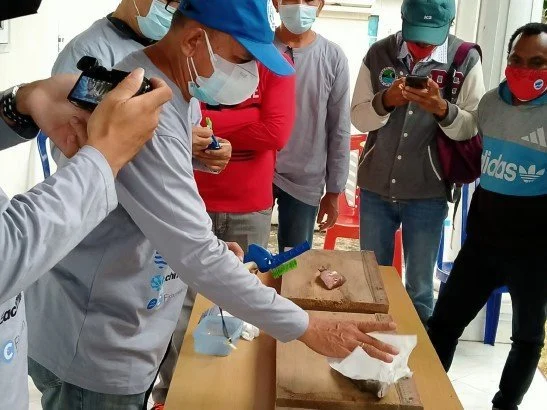
Under their programme, fishers are incentivised to tag and release juvenile catch. Their efforts are rewarded by mobile air-time top-ups. This technique is known as ‘mark, release and recapture’ and helps collect important data on fish stocks as well as providing economic benefits to small-scale fishers.
In June 2021, UNSRAT ran workshops to ‘train the trainers’ to encourage the use of the technology in their region. Further training for community groups took place in September 2021.
This project exemplifies the huge potential that the Joint Research Project has for AIS countries, for the development of the blue economy, and the empowerment of local communities.
Water Source Mapping
Access to safe drinking water sources and risk mapping in relation to climate change
ARHEA
-
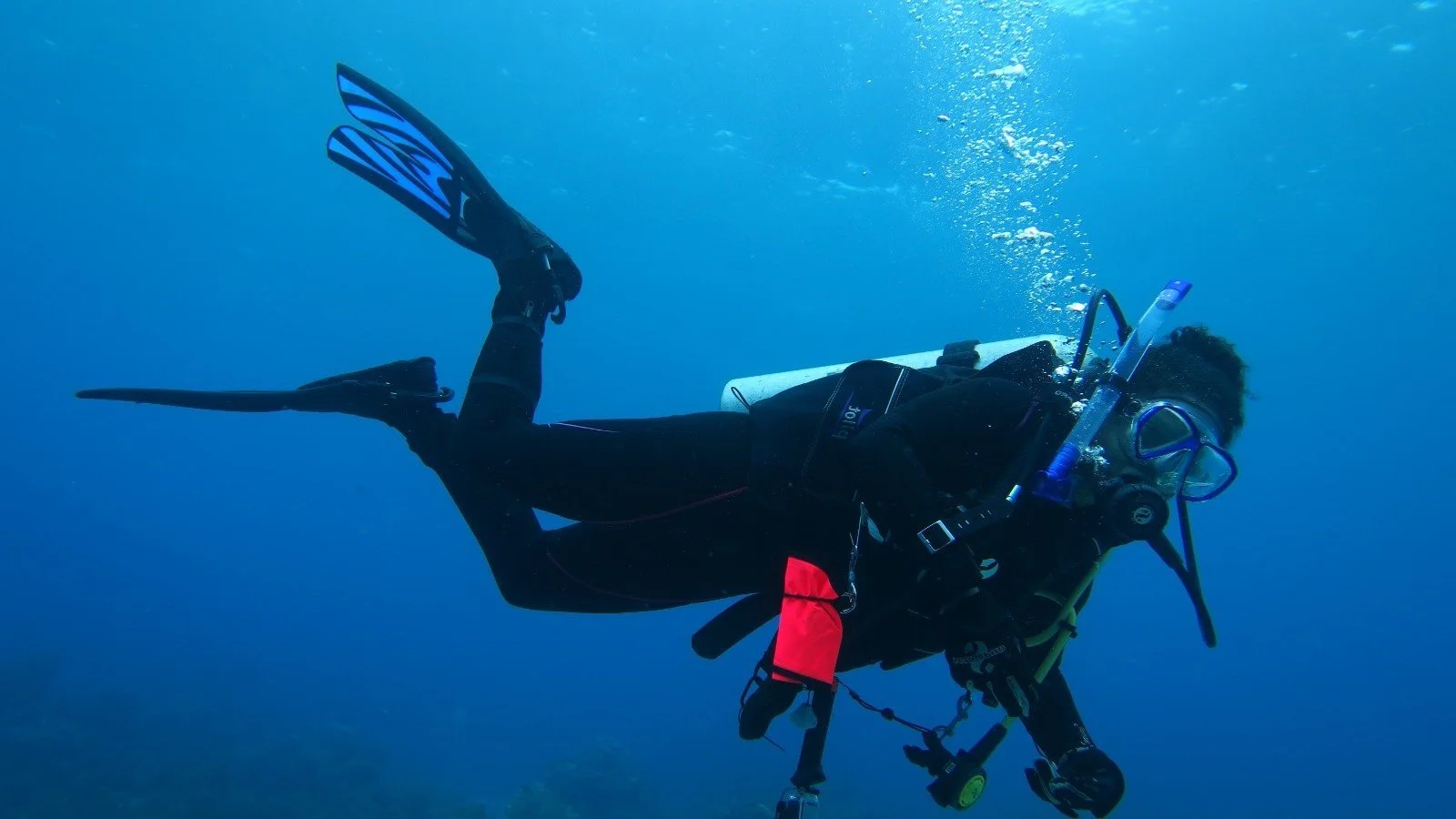
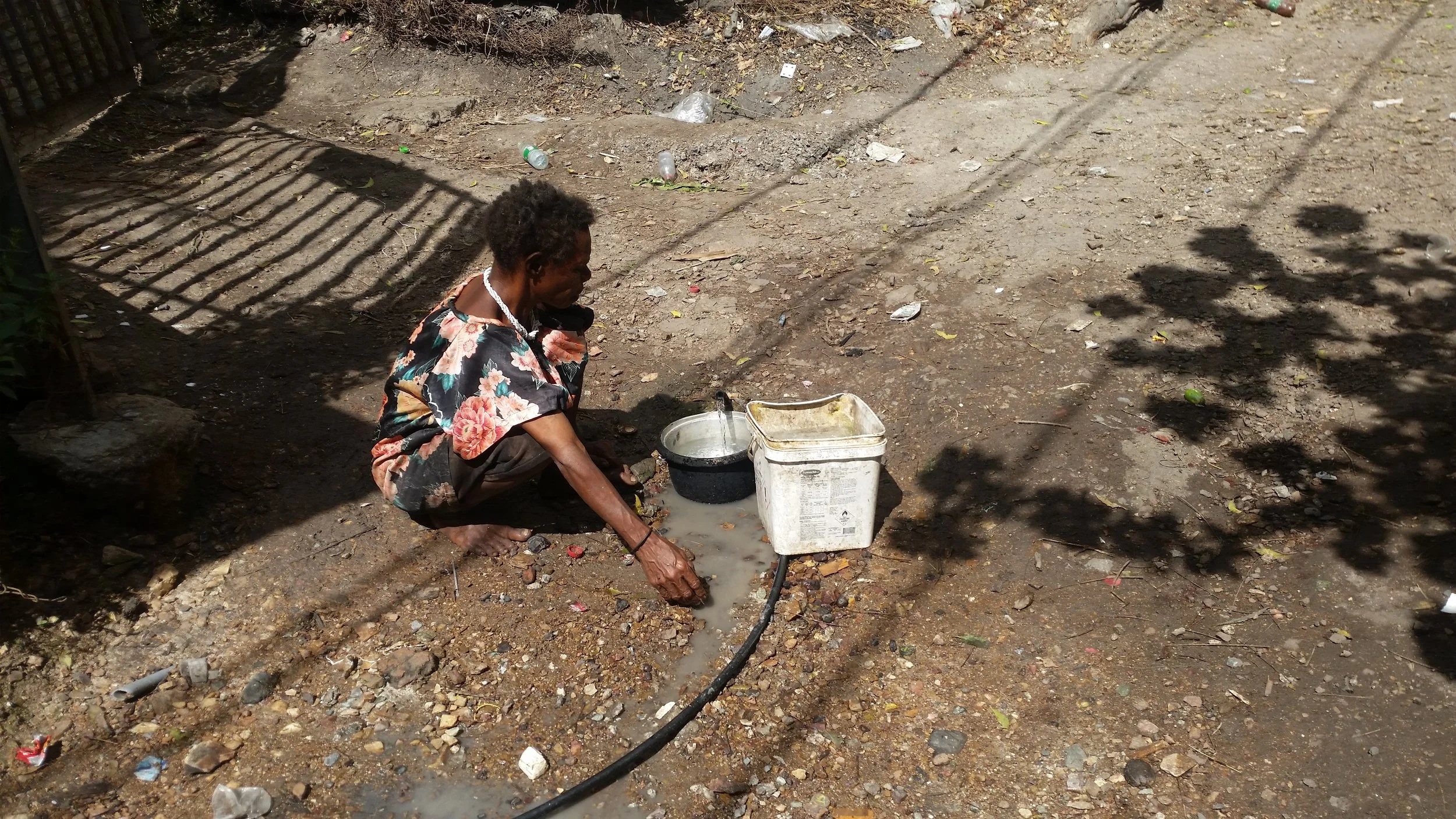
In 2022, a collaboration with University College Dublin & University of Papua New Guinea ignites the research topic name “An analysis of access to safe drinking water sources and risk mapping in relation to climate change, Papua New Guinea” to be further analyzed as part of the AIS Joint-Research program.
This project proposes the consolidation of a number of different research techniques and technologies in order to assess local vulnerabilities in Papua New Guinea to the effects of climate change, especially with regard to access to clean drinking water.
Advanced Drifter GPS Oceanographic Coverage Area
The Guyana Coast
-
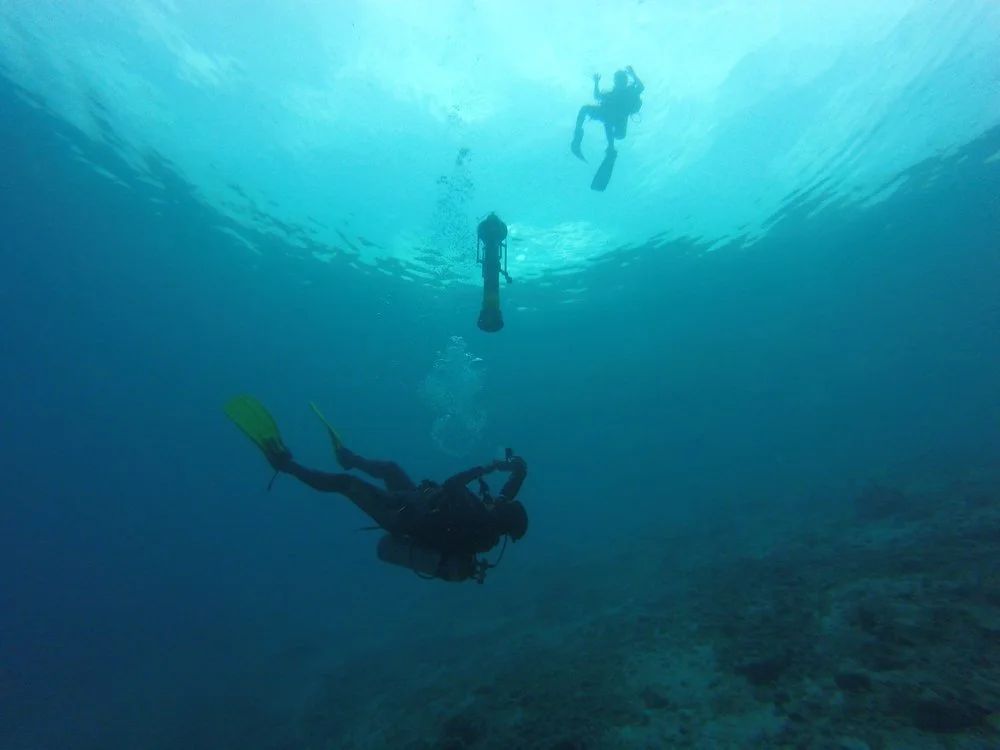
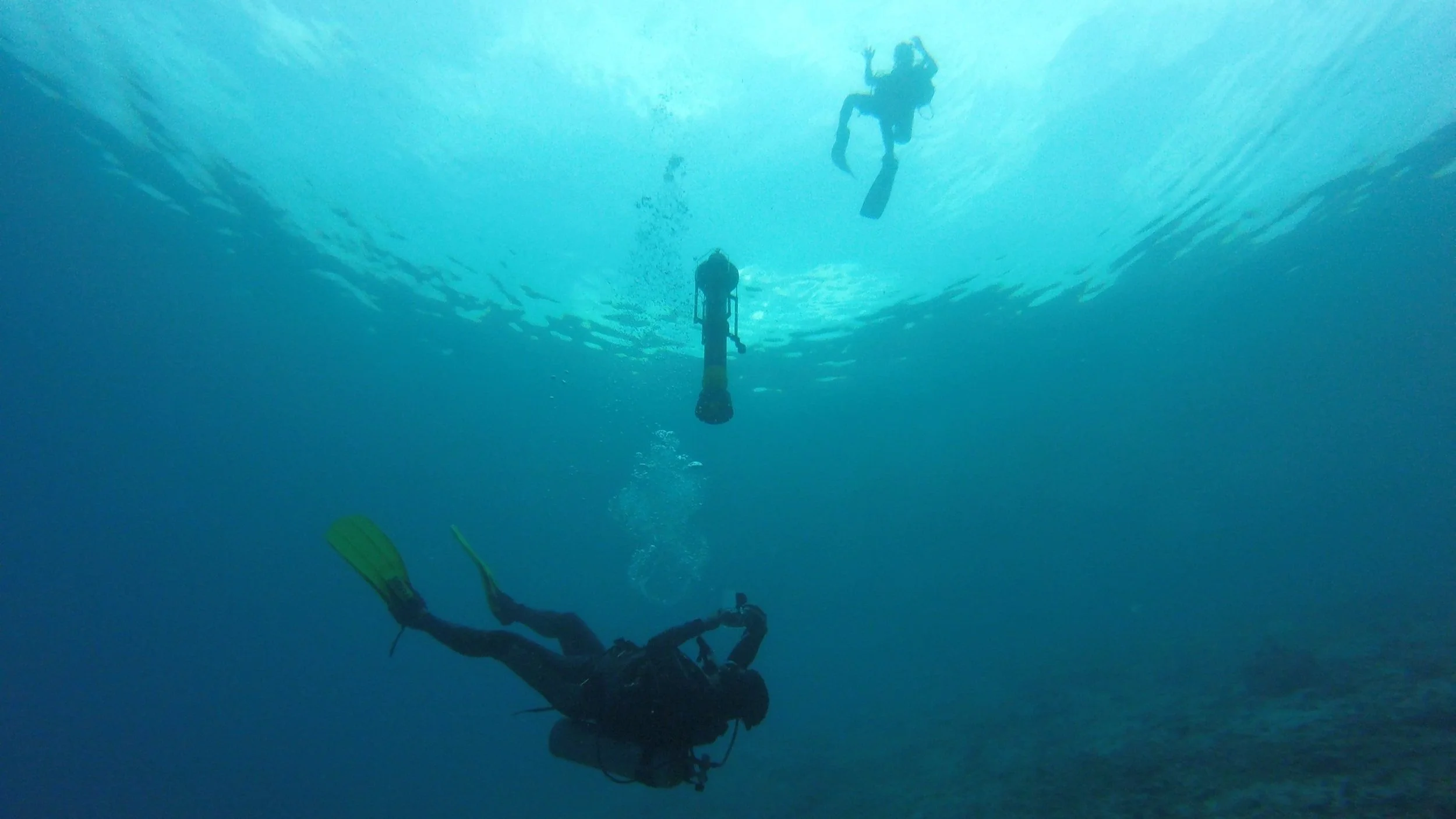
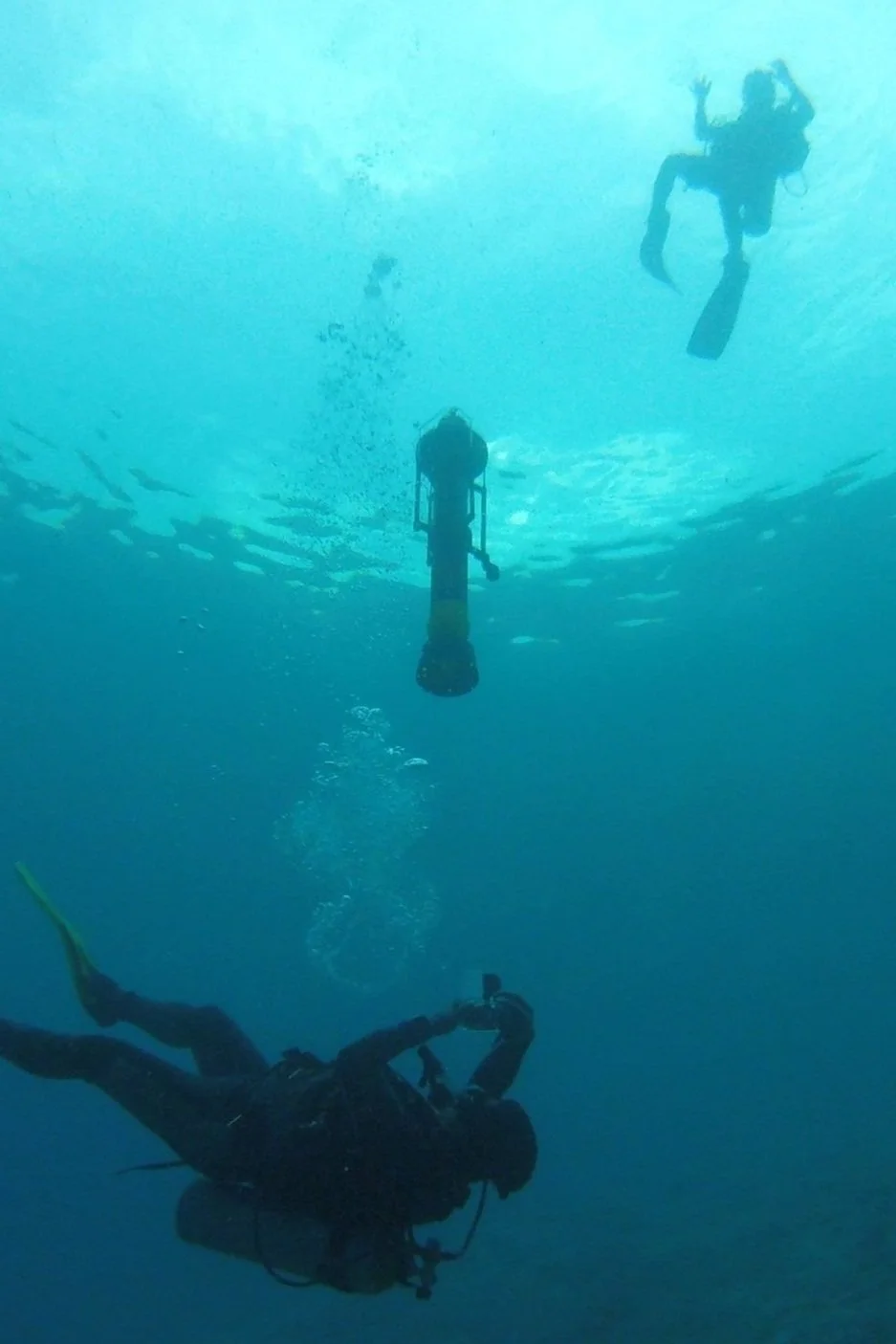
Universitas Padjadjaran and University of the Philippines have been working in developing ocean instruments to collect data using the IoT software and an integrated open-access data portal.
The researchers successfully created an ARHEA (Advanced Drifter GPS Oceanographic Coverage Area) instrument.
This project has huge potential for growth in island states, where scientists and policymakers are facing difficulties in collecting and utilising oceanographic data effectively.