Smart and Innovative Solutions
Innovation is a core value of the AIS Forum and through the Smart & Innovative Solutions programme the AIS Forum hopes to develop creative solutions to challenges faced by residents of AIS countries. Through the use of reliable data, state of the art technology, unique financing mechanisms, and non-traditional partnerships the AIS Forum has created international partnerships to develop innovative solutions. This initiative transforms these enormous challenges into opportunities for innovation and creative thinking.
-
Seagrass Carbon Converter (SCC) Mobile Application
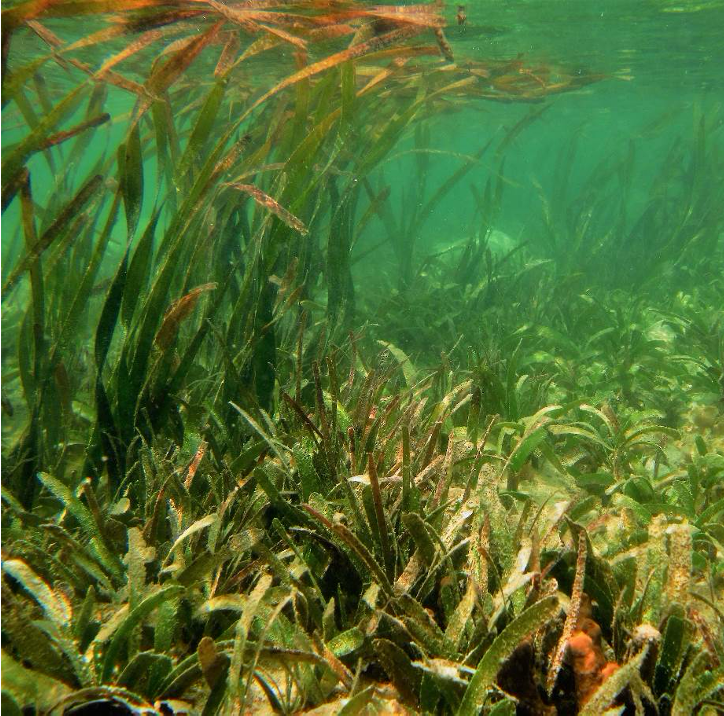
The AIS Forum Secretariat in collaboration with the Oceanographic Research Center, the National Research and Innovation Agency (BRIN) developed an application based on the SCC mobile operating system that can be used for several functions. For example, calculating seagrass carbon inventory and reducing carbon emissions from climate change mitigation activities. Conservation/Protection of Seagrass Ecosystems. SCC is formed by applying a formula that converts the biomass value, density, and percentage of seagrass cover into carbon stock and sequestration values. SCC is expected to help all parties, especially island and archipelagic countries to understand the potential blue carbon balance of seagrass ecosystems.
-
Carbon Inventory For Seagrass Ecosystem (CISE) Mobile Application
Carbon Inventory for Seagrass Ecosystem/CISE (available through the website scc.oseanografi.lipi.go.id) to assist relevant stakeholders in reporting the potential blue carbon balance of seagrass ecosystems. In 2021, a mobile-based CISE application (Android and IOS) has been developed to be used to perform Substantive Material calculations. This application is based on several formulations carried out by BRIN researchers at the Oceanography research center to see the levels of Carbon produced from Seaweed in a certain area.
-
Mangrove Health Index (MHI) and MonMang Mobile Application
The AIS Forum Secretariat, in partnership with the National Research and Innovation Agency (BRIN), in 2020 and 2021 has held training on how to measure the health of mangrove ecosystems using the “Mangrove Health Index” tool. As is well known, mangroves can help stabilize coastlines and reduce the impact of storm surges and flooding by slowing water movement and trapping sediment. This will help archipelagic and archipelagic countries to minimize the impact of sea-level rise. The training was attended by around 15 AIS Forum countries with fisheries and marine backgrounds, in which participants were given basic skills to recognize the Monmang 2.0 method, Quantum geographic information system (QGIS), and Generalized Estimating Equations (GEE) analysis. In addition, in 2021 the MonMang App based on Android and IOS is being developed.
-
Maritime and Aviation Search and Rescue Planning (BNPP)
Partnering with the National Search and Rescue Agency, will develop training to introduce the Maritime and Aviation Search and Rescue Planning program. This program aims to provide technical knowledge and skills for planning search and rescue operations in the event of accidents, disasters, and conditions that endanger human life. This training will determine suspected locations, search areas, placement of personnel and equipment from BNPP or potential search and rescue needed, as well as supporting facilities and infrastructure both on land, sea and air, as well as build cross-sectoral coordination with search and rescue potential, until final reporting is well planned.
-
Weather Information Service
The AIS Forum Secretariat, in partnership with the Indonesian Meteorology, Climatology and Geophysics Agency, will conduct a training course on Weather Information Service Capacity. This program will provide basic training for weather forecasting, which can build technical capacity in the operation of the Climate Early Warning System (CWES) in AIS Forum participating countries and most of these programs are designed to forecast weather.
-
Numerical Weather Prediction (NWP)
Numerical weather prediction (NWP) is a weather forecasting method that uses a set of equations that describe fluid flow. In collaboration with the Indonesian Meteorology, Climatology and Geophysics Agency, the AIS Forum Secretariat will hold a Numerical weather prediction (NWP) training course. This training will introduce the latest developments in the NWP model with a focus on techniques for processing, visualizing, and developing guidelines from the NWP.
-
Ocean Forecast System (OFS)
The AIS Forum Secretariat, in partnership with the Indonesian Meteorology, Climatology and Geophysics Agency, will conduct training in improving the Flood Forecasting Early Warning System. This is very important for flood hazard preparedness to reduce the possibility of a flood hazard turning into a disaster. This program is to be able to produce a Flood Forecast Impact Map as a product of this system.
-
AIS Pledge to Ecotourism
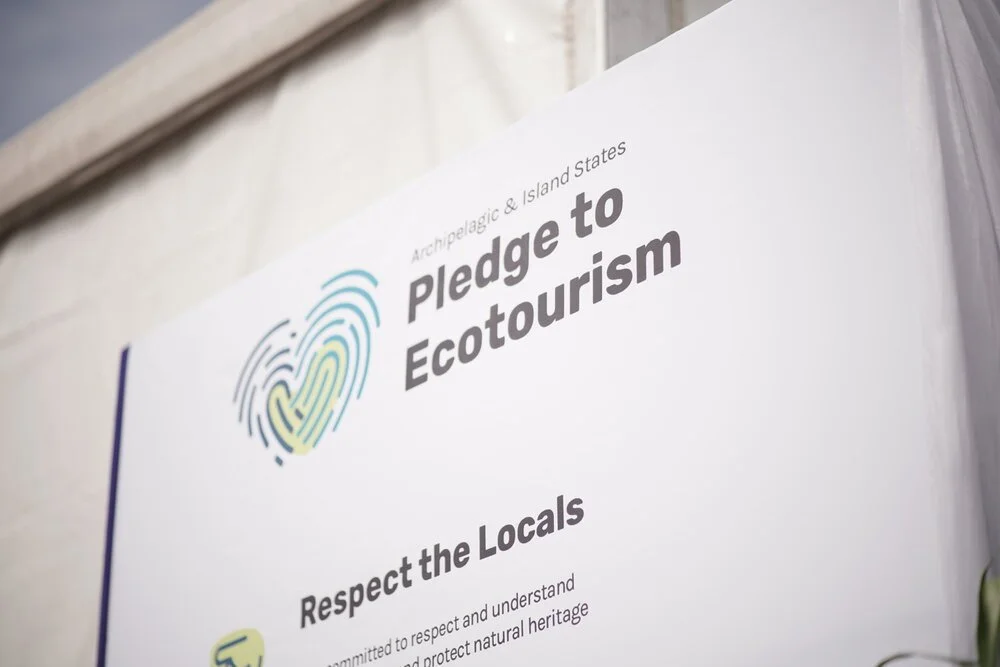
The AIS Pledge for Ecotourism was launched by the AIS Forum at a Ministerial Session in 2019. The pledge is based on the Palau Pledge, which consists of three main components, namely: 1) respecting locals, 2) reducing marine litter, 3) supporting coastal and marine ecosystem protection, 4) promoting the local economy in the destination areas, and 5) protecting children in travel and tourism.
-
Implementation of the Sustainable Development Goals (SDGs) in Tourism Industry
In partnership with Gadjah Mada University, the AIS Forum Secretariat has held a training focused on Indonesia’s experience to be able to encourage the implementation of SDG indicators in the marine tourism industry in 2020 and 2021. The training aims to provide an overview of the SDGs relevant to the marine and coastal tourism industry in best practice from the business community such as investors and entrepreneurs in the tourism industry. By integrating the SDGs into coastal and marine tourism policies.
-
The “Building with Nature” Approach in Coastal Management
Together with the Ministry of Maritime Affairs and Fisheries, the Secretariat of the AIS Forum has held a workshop on Building with Nature Approach in Coastal Management. This program aims to increase the resilience of coastal communities by expanding and strengthening the protection of coastal areas and increasing the adaptive capacity of coastal communities.
-
Deep Seabed Mining in the Area
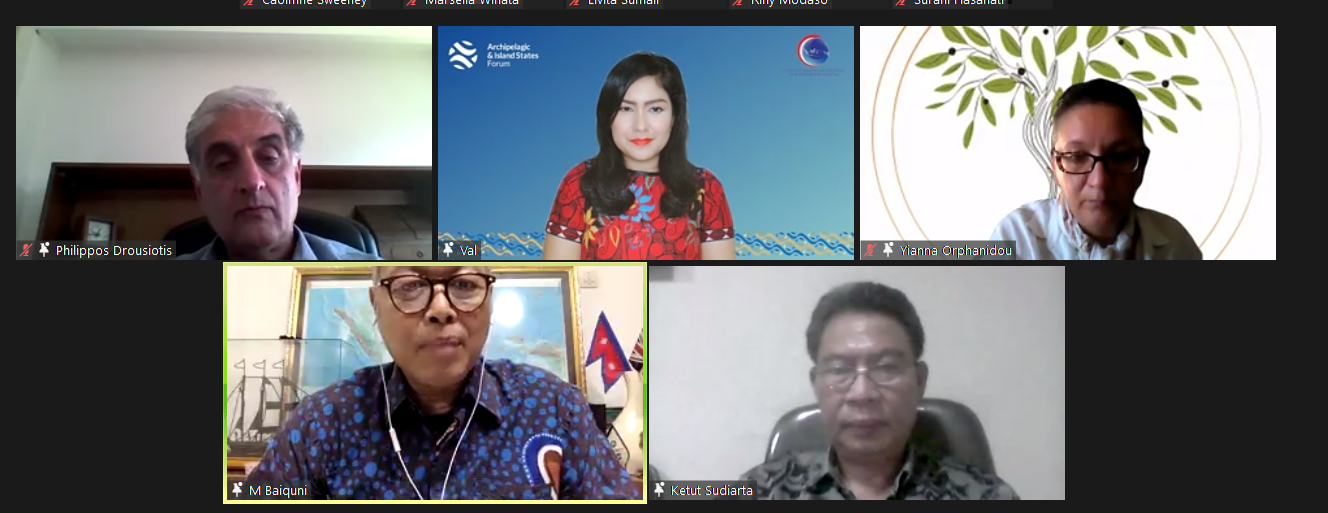
Seabed mining (SBM) is a growing sector where mining companies are trying to extract mineral deposits from the seabed. The exploration and exploitation of seabed minerals is regulated by the International Seabed Authority (ISA) under the powers granted by the United Nations Convention of the Law of the Sea (UNCLOS). To raise awareness of the work carried out by ISA, the AIS Forum Secretariat, in collaboration with the Pacific Islands Development Forum, the Coordinating Ministry for Maritime Affairs and Investment, and the Max Planck Institute held a virtual International Seminar through ISA Work and State Practices in Regulating Deep Seabed Mining in the Region. .
-
Marine Spatial Planning (MSP)
Marine spatial planning is intended to align many marine users including the energy, industry, government, conservation and recreation sectors to create a coordinated policy on how to use marine resources in a sustainable manner. This will create a strategic and integrated plan for the effective management and use of marine space based on the principles of sustainability. Together with the Ministry of Maritime Affairs and Fisheries, the AIS Forum Secretariat has held an international discussion session on the Application of Marine Spatial Planning for Sustainable Marine Development. This program provides information and shares best practices to encourage AIS Forum participating countries to develop and implement marine spatial plans in their respective regions to improve the management and sustainable development of coastal and marine resources.
-
Connecting Maritime Governance with the Achievement of the SDGs in Archipelagic and Island States
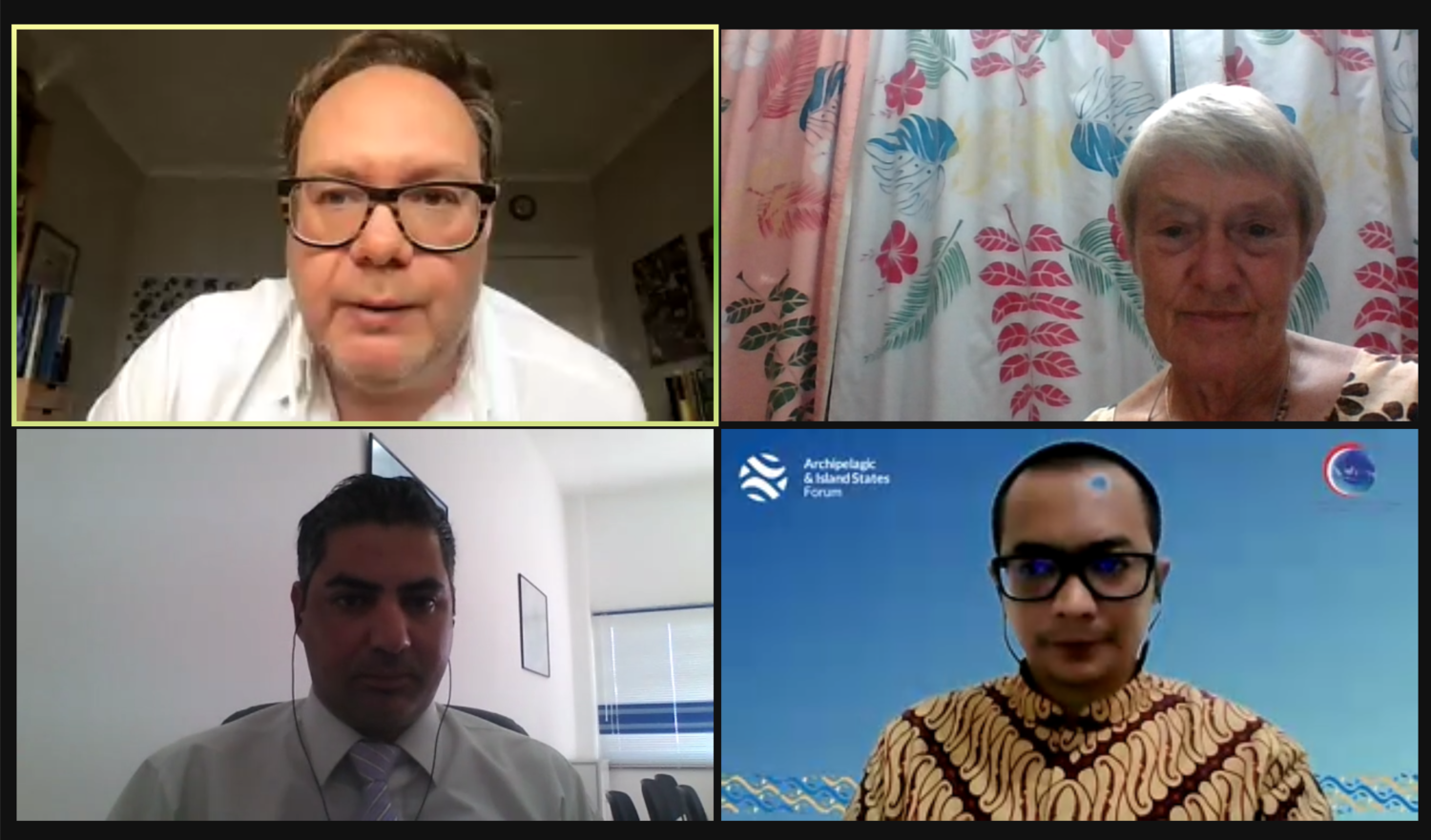
The AIS Forum works closely with the World Maritime University, and the University of Malta has conducted international workshops. Where, academic experts and practitioners working in the maritime sector can provide understanding and best practices in good marine management. This workshop showed that the implementation of good maritime governance will enable the achievement of the SDGs, especially SDG 14: Ocean Ecosystems and SDG 16: Peace, Justice, and strong institutions.